
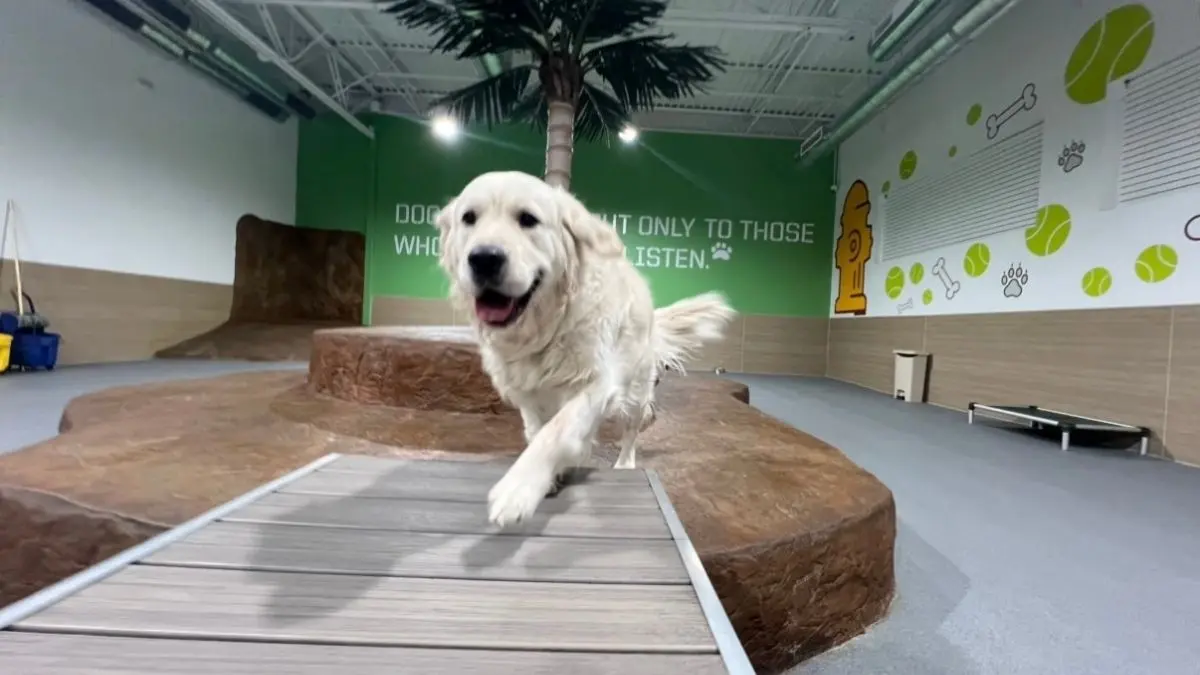
Large dog owners face unique boarding challenges that standard facilities often overlook. A Great Dane in a cramped kennel, a Golden Retriever without adequate space to stretch, or a Labrador in a chaotic environment creates serious safety risks. Quality boarding for large dogs requires specialized facilities designed with their size, strength, and temperament in mind.
Understanding what separates truly safe large dog boarding from mediocre options protects your investment and your pet’s wellbeing. Smart Parke‘s Southern California facilities exemplify this premium approach, but the principles in this guide apply universally.
Why Large Dogs Need Specialized Boarding Environments
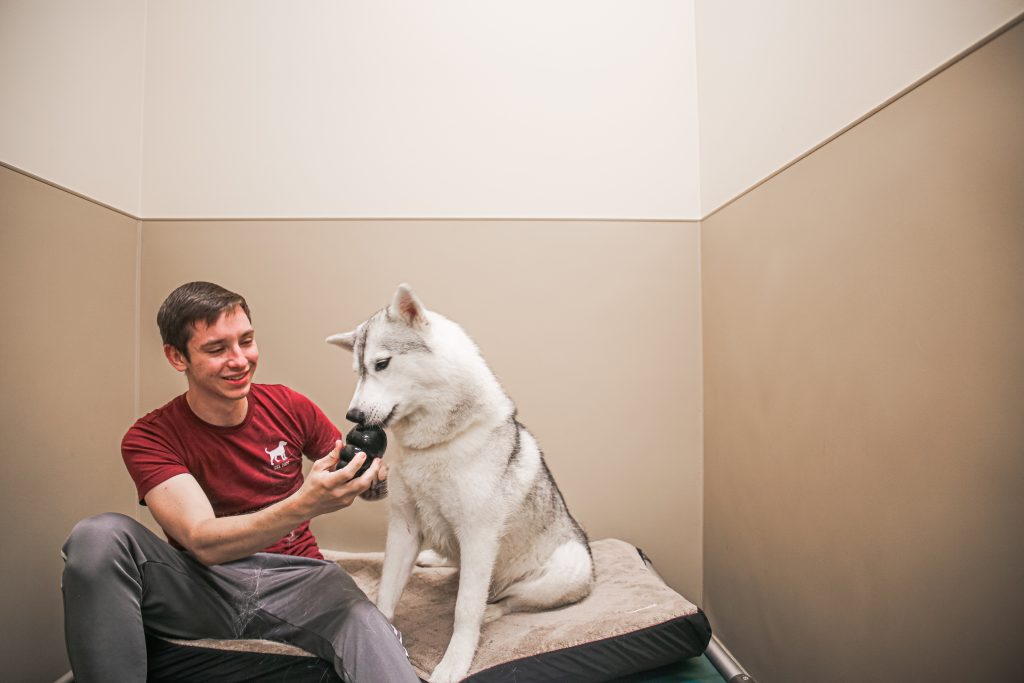 Large dogs have distinct physical and behavioral needs that standard boarding facilities often overlook. A 70-pound dog requires significantly more space than a small breed to move freely, stretch fully, and remain comfortable. Kennels designed for average-sized dogs can restrict movement, force unnatural resting positions, and increase stress in large breeds.
Size Mismatch and Play Safety
Play management is especially important for large dogs. A 90-pound dog interacting with a 15-pound dog creates injury risk—not due to aggression, but because of the size difference alone. Quality boarding facilities reduce this risk by separating large and small dogs into dedicated play areas and using staff trained to manage large-breed energy and body language.
Why Large Dogs Face Higher Injury Risk During Boarding
Large dogs generate significantly more force during movement and play due to their body mass and momentum. At play speed, a 100-pound dog carries several times the impact force of a small dog, meaning normal play behaviors can lead to injury if not properly managed.
Flooring further affects injury risk. Smooth or slippery surfaces increase joint strain during quick turns, while rough play between large dogs can escalate rapidly because of their strength. Safe facilities invest in non-slip flooring, size-appropriate play groups, and trained staff who can recognize early signs of tension and intervene before injuries occur.
Space Requirements: Critical for Large Dog Safety and Comfort
Industry standards often fall short for large dogs. Quality boarding facilities should provide at least 100+ square feet per dog, allowing full movement without confinement stress. Research shows that dogs with adequate space exhibit fewer stress behaviors like repetitive pacing or excessive vocalization.
Compare this to standard kennels offering 20-30 square feet, and the safety gap becomes stark. Cramped spaces force large dogs into unnatural positions for extended periods, triggering joint stress, anxiety, and muscle tension. Premium facilities recognize that proper space isn’t a luxury—it’s foundational to safe, healthy boarding.
Heat Sensitivity and Climate Control for Large Breeds
Large dogs are more vulnerable to heat stress than smaller breeds due to their lower surface-area-to-mass ratio, which makes it harder to release heat—thick coats common in many large breeds further slow cooling, especially after exercise.
Because large dogs take longer to cool down, proper temperature control and supervision are essential. Quality boarding facilities maintain climate-controlled spaces, ensure good air circulation, schedule play during cooler periods, and monitor for early signs of heat stress such as excessive panting, drooling, or lethargy.
Breed-Specific Boarding Considerations
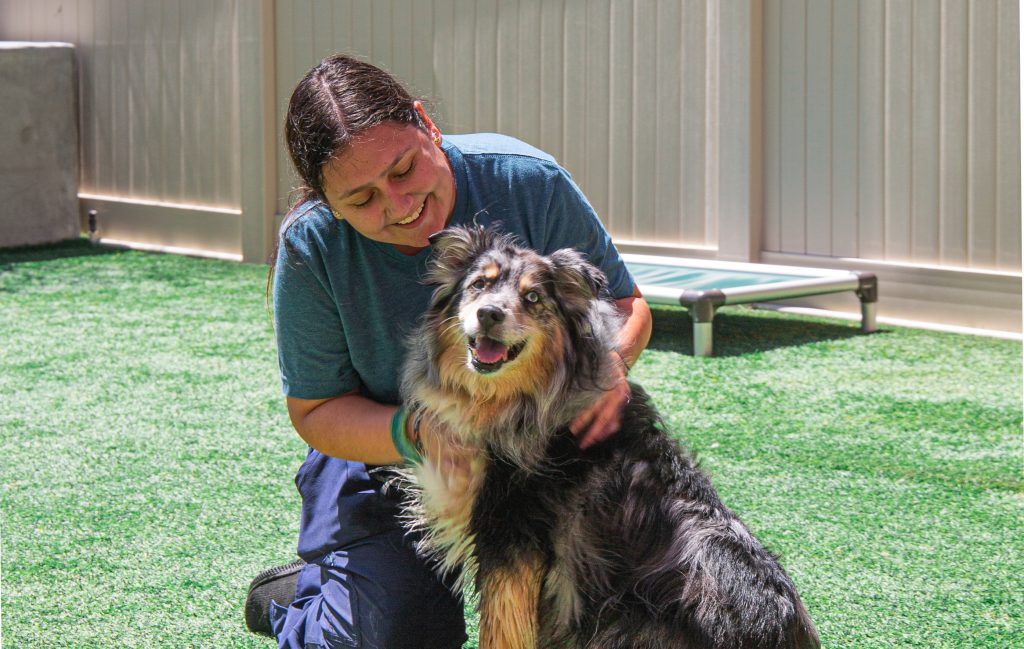
“Large dog” covers a wide range of temperaments and needs. Safe boarding facilities adjust care based on breed type rather than size alone.
Working Breeds (German Shepherds, Belgian Malinois)
- High mental stimulation needs
- Benefit from structured activities, enrichment, and regular staff interaction
- Lack of engagement can increase anxiety and pacing
Guardian Breeds (Rottweilers, Mastiffs)
- Sensitive to noise and crowded environments
- Do best in calmer settings with controlled play groups and lower stimulation
Giant Breeds (Great Danes, Saint Bernards)
- Joint support is essential
- Orthopedic bedding, calm handling, and limited jumping reduce injury risk
Retrievers and Water-Loving Breeds
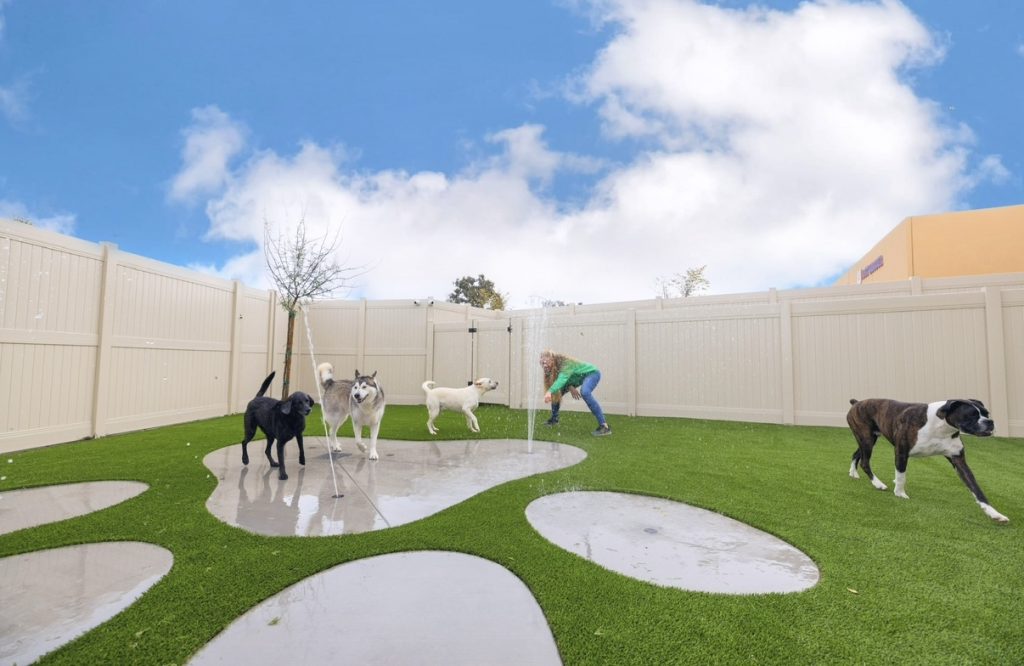
- Thrive with access to water play
- Pools or fountains help reduce frustration and improve overall behavior
Understanding your dog’s breed type helps you choose a facility that matches their temperament, energy level, and physical needs.
First-Time Boarding Anxiety Timeline: What to Expect

For most large dog owners, the main concern isn’t the facility—it’s how their dog will cope emotionally. Research shows dogs may experience a temporary increase in stress hormones, such as cortisol, when first boarded, but enriched environments and consistent social interaction help reduce this response as dogs adjust, often within a few days.
Typical Adjustment Timeline
Day 1: Orientation
- Mild withdrawal or hesitation is normal
- Dogs observe their surroundings and staff
- Brief, positive goodbyes help reduce stress
Days 2–3: Engagement
- Curiosity replaces initial caution
- Appetite and activity levels normalize
- Increased interaction with staff and other large dogs
Day 4 and Beyond: Comfort and Routine
- Dogs are fully adjusted and relaxed
- Active participation in play sessions
- Some dogs may even seem reluctant to leave due to structured exercise and routine
Understanding this timeline helps owners prepare realistically and recognize that early hesitation is a normal, temporary part of the boarding process.
Staff Expertise: The Most Critical Safety Factor
Facility design matters, but staff expertise determines real-world safety. Large dogs need handlers who can read canine body language, recognize stress early, and manage play between dogs with different temperaments before issues escalate.
Quality facilities employ staff with formal canine behavior training and large-breed experience, supported by ongoing education. When touring a facility, ask about staff qualifications—reputable providers are transparent and confident in their training standards.
Red Flags When Touring a Large Dog Boarding Facility
Mixed-Size Play Without Clear Supervision
Large and small dogs should be separated. If staff can’t clearly explain how play groups are managed and supervised, injury risk increases due to size mismatch.
Slippery or Inappropriate Flooring
Smooth concrete or slick surfaces raise the risk of joint and ligament injuries. Quality facilities use textured or high-traction flooring designed for large dogs.
Unclear Staff Training Standards
Reputable facilities give specific answers about staff training and large-breed experience. Vague responses suggest inadequate preparation.
No Maximum Dog Size Policy
Facilities that accept dogs of all sizes without limits often lack proper equipment, space design, or trained staff for very large breeds.
Signs of Overcrowding
Too many dogs per staff member, cramped areas, or rushed tours indicate a volume-first approach that compromises safety.
Poor Climate Control Transparency
If staff can’t explain temperature regulation, ventilation, or heat-management protocols, especially for large dogs, consider it a red flag.
Boarding vs. In-Home Sitting for Large Dogs
Boarding facilities offer infrastructure designed for large dogs, including proper flooring, climate control, and emergency readiness. Trained staff manage exercise and socialization safely, with backup care available if issues arise.
Home sitting provides familiarity and one-on-one attention, but most sitters lack large-breed handling training. Exercise space is often limited, backup coverage is uncertain, and liability during emergencies can be unclear.
For most large dogs, professional boarding offers greater safety, structure, and oversight—especially when the facility is designed specifically for large breeds.
Boarding Amenities That Specifically Benefit Large Dogs
Certain amenities matter more for large dogs, including extended play time to meet higher exercise needs, grooming services that support joint health, and individual attention for mental stimulation. Many large dogs are under-exercised at home, making structured activity during boarding especially beneficial.
Screenshot
Facilities like Smart Parke offer features such as water play, organized activities, and clear exercise protocols designed specifically for large breeds. These amenities ensure large dogs receive active, size-appropriate care rather than basic accommodation.
Making the Most of Your Large Dog’s Boarding Stay
Preparation transforms a good stay into a great one. Book well in advance—especially for summer vacations and holidays when premium facilities like Smart Parke fill quickly. When contacting the team, discuss your dog’s breed characteristics, exercise needs, dietary preferences, and any behavioral concerns so care can be tailored appropriately.
Provide detailed information about your dog’s daily routine, joint or mobility issues, and medication schedule. Smart Parke offers daily updates and webcam access for added peace of mind—use these tools occasionally to stay informed, while avoiding excessive check-ins that can increase separation anxiety.
Where Strength Meets Safety: Finding the Right Fit
Large dogs need boarding facilities designed specifically for their size and safety—not adapted spaces built for smaller breeds. Essential features include spacious suites, separate play areas, climate control, breed-aware care, and trained staff.
By evaluating facilities on these fundamentals, you can choose boarding that truly supports your dog’s wellbeing. Facilities like Smart Parke show how intentional design and expert care translate into real safety for large breeds—making informed tours and detailed questions an important final step.
FAQs
What size is considered a “large dog” for boarding purposes?
Facilities typically classify dogs 50 pounds and above as large, though some use 60+ pounds as the threshold. Large dog suites should provide 100+ square feet of space. Ask about weight classifications when contacting facilities—this affects play group matching and care protocols.
Can my senior large dog handle boarding stress?
Yes, senior large dogs often benefit significantly from boarding in proper environments. Orthopedic bedding reduces joint stress, temperature control prevents heat vulnerability (critical for senior large breeds), and medication administration ensures proper health management. Discuss senior-specific needs with staff during your tour.
Are separate large dog play yards really necessary?
Absolutely. A 100-pound dog playing with a 15-pound dog creates injury risk through simple size mismatch. Dedicated large dog play yards with properly trained staff prevent injuries, allow appropriate intensity play, and reduce anxiety. This isn’t marketing—it’s physics.
How do I know the facility can safely manage my large dog’s size and strength?
Ask specific questions during tours: Do staff receive large breed training? What’s the maximum dog size they board? How do they handle play supervision between large dogs? What’s their protocol for heat management? Quality facilities provide clear, confident answers because transparent communication builds trust.
What add-on services benefit large dogs most?
Extended play time helps manage high exercise needs. Grooming services support mobility in senior large dogs. Individual attention time provides mental stimulation for anxious large dogs. Water play opportunities (for retriever-type breeds) significantly improve behavioral outcomes. Ask what enrichment options are available beyond basic boarding.
How far in advance should I book for a large dog?
Peak seasons (summer, holidays, weekends) require booking 2-4 weeks in advance. Off-peak periods allow more flexibility, but booking 10 days ahead ensures availability. Contact facilities directly to discuss large breed accommodations and specific needs.
What training programs help large dogs with boarding anxiety?
Professional training during boarding can address behavioral issues specific to large breeds—jump control, leash manners, command reliability. Board and Train programs combine lodging with structured behavioral training, making stays productive rather than merely custodial. Ask facilities about trainer qualifications and program design.