
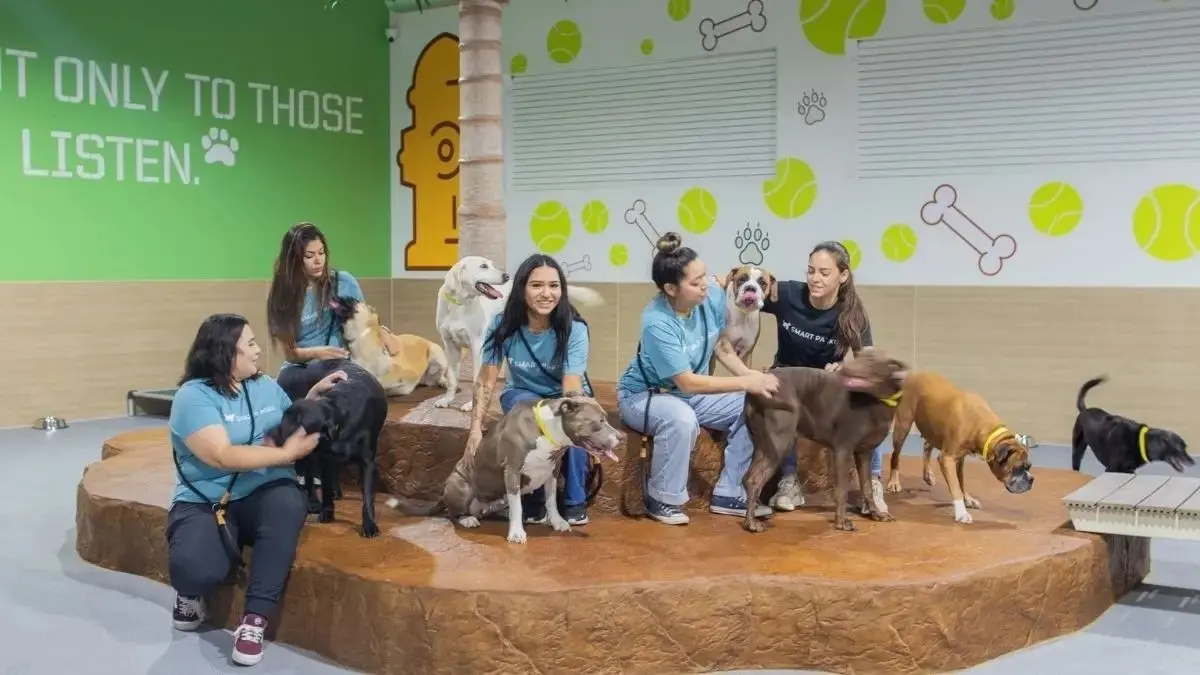
Staff supervision is the foundation of quality dog boarding. While suites and amenities matter, it’s real-time monitoring by trained professionals that keeps dogs safe, comfortable, and emotionally balanced. Inadequate supervision can lead to play injuries, missed health concerns, and stress-related behavior issues.
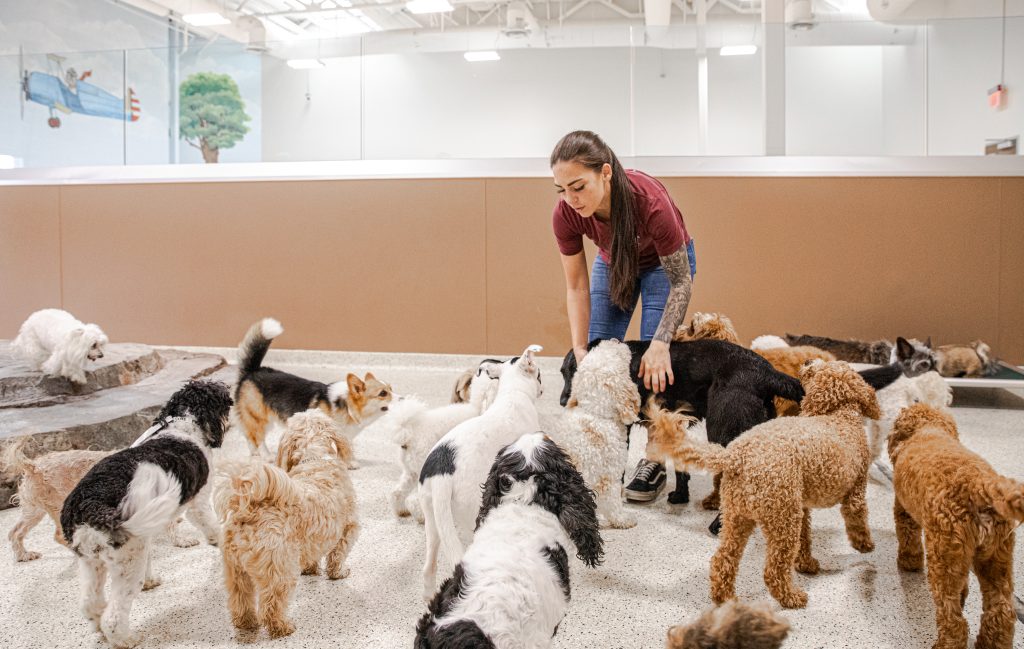 Smart Parke prioritizes active, expert supervision at all locations, with trained staff continuously monitoring play, rest, and behavior. This hands-on approach ensures potential issues are addressed immediately—because even the best facilities are only as good as the people watching over your dog.
Staff-to-Dog Ratios: What Actually Constitutes Safe Supervision
Staff-to-dog ratios vary widely, and that difference directly affects safety. Basic kennels may have one handler supervising 20–30 dogs at once, limiting their ability to monitor individuals or respond quickly. Facilities focused on active supervision typically maintain lower ratios—around 1 handler per 8–12 dogs—allowing closer attention and faster intervention.
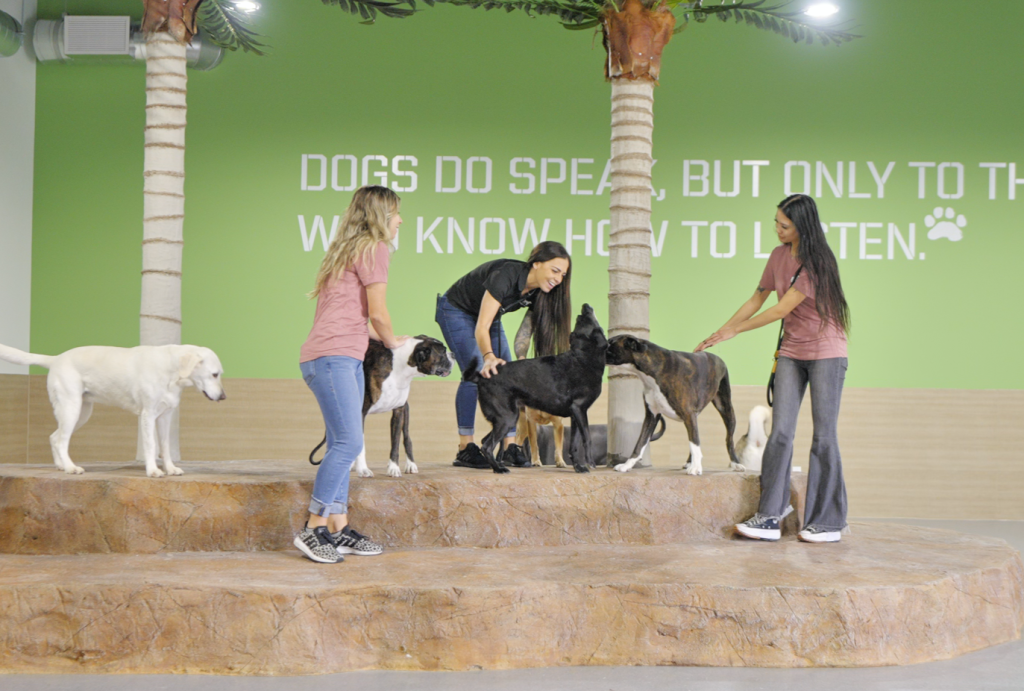 Lower ratios translate into better care. Staff can read body language, notice early signs of stress or illness, and step in before play escalates. One handler cannot realistically track multiple warning signs across dozens of dogs at the same time.
Why Ratios Matter During Transitions and High-Risk Moments
Adequate staffing is especially important during transitions between kennels, play yards, and feeding areas, when most incidents occur. Lower ratios also allow staff to adjust play intensity during hot weather, ensuring dogs remain hydrated, cool, and comfortable throughout the day.
Training & Certifications: What to Look For in Boarding Staff
Not all dog handlers have the same level of expertise. Facilities committed to quality care employ behavior-trained staff with formal education in canine body language, stress recognition, and emergency response. Look for teams holding certifications from recognized organizations such as:
- International Association of Canine Professionals (IACP)
- Certification Council for Professional Dog Trainers (CCPDT)
- Canine First Aid & CPR certification
- Equivalent accredited behavior or training programs
Trained on-site staff can recognize early health or stress signals—such as excessive panting, appetite changes, or behavioral shifts—and intervene before issues escalate. Their understanding of canine communication helps distinguish normal play from anxiety or overstimulation.
Ongoing education ensures staff remain current with behavioral science and best practices. Facilities that invest in staff training demonstrate a commitment to safety, supervision quality, and individualized care beyond basic animal handling.
24/7 On-Site Supervision vs. Remote Monitoring
The difference between on-site supervision and remote monitoring directly affects safety and emergency response. Some facilities staff overnight, while others rely on scheduled checks or leave dogs unattended after hours. Facilities with continuous on-site staff can respond immediately to accidents, health concerns, or behavioral issues at any time.
Cameras alone can’t replace in-person care. Only on-site staff can intervene in conflicts, administer first aid, comfort anxious dogs, or address medical issues that arise overnight. For dogs with separation anxiety, medical needs, or longer stays, 24/7 on-site supervision ensures no issue escalates due to delayed response.
Play Yard Supervision: How Staff Manage Group Dynamics
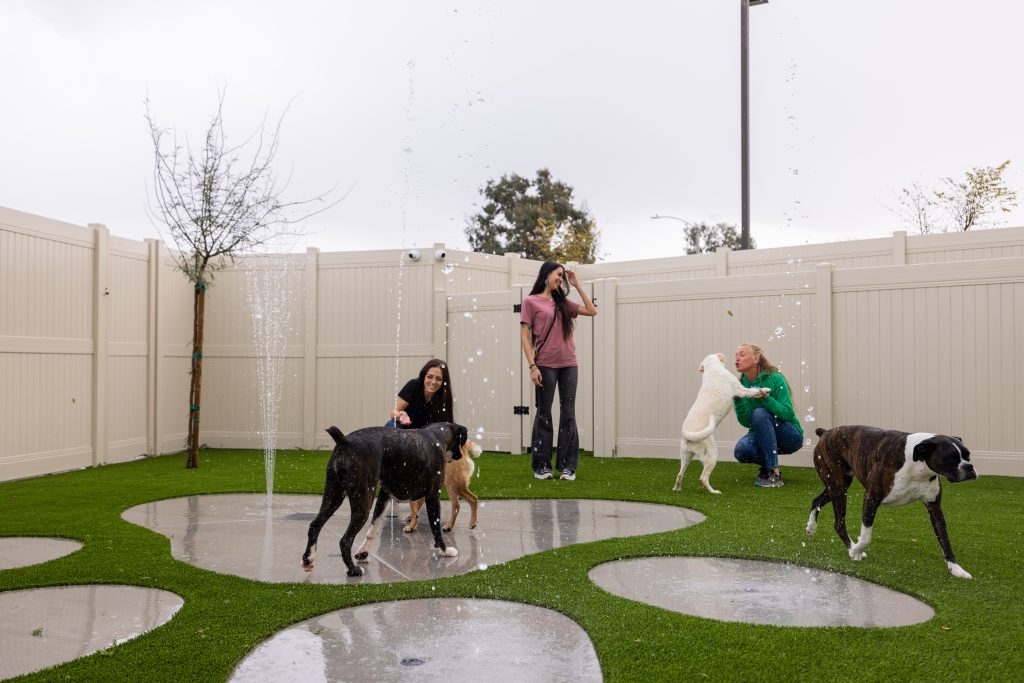 Effective play yard supervision requires constant monitoring and immediate intervention by behavior-trained staff. Handlers position themselves inside play areas, allowing them to read body language, distinguish healthy play from escalating behavior, and identify dogs that need breaks or redirection.
Trained staff manage group dynamics by separating dogs by size and play style, interrupting rough play, and adjusting activity during hot weather to prevent heat stress. Active oversight during transitions—between kennels, play yards, and feeding areas—further reduces the risk of accidents, escapes, and conflicts.
Health Monitoring & Early Problem Detection
Recognizing Subtle Health Changes
Trained staff continuously monitor dogs for early signs of illness or stress caused by dietary changes, new environments, or boarding-related anxiety. Subtle indicators—such as appetite changes, lethargy, excessive panting, limping, or behavioral shifts—are often the first warning signs.
Medication Oversight & Chronic Care
Medication administration requires precise documentation and monitoring for side effects. Dogs with chronic conditions, including diabetes, cardiac issues, or arthritis, need staff trained to recognize condition-specific warning signs and adjust care as needed.
Emergency Response Readiness
Quality facilities prepare for emergencies with staff trained in canine first aid and CPR. Established relationships with emergency veterinary clinics ensure immediate response when serious health issues arise.
The Science Behind Effective Supervision
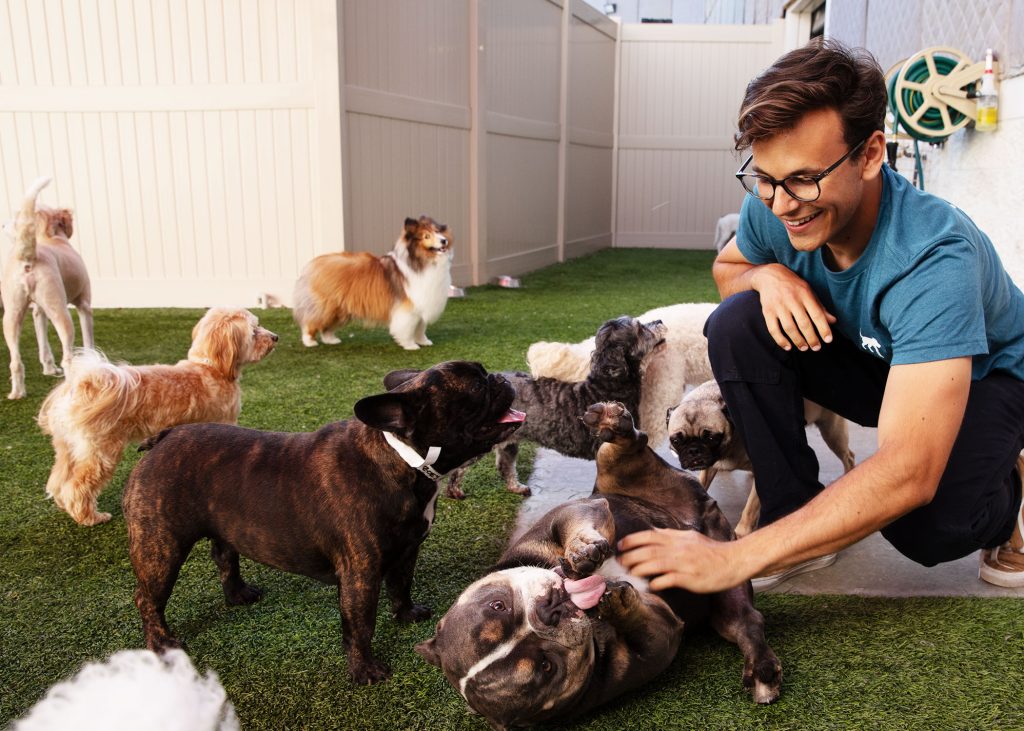 Active Supervision Reduces Injury and Behavioral Trauma
Veterinary and animal-welfare research consistently shows that active human supervision is a key factor in reducing injuries and negative behavioral outcomes in group-housed dogs.
Studies examining kennel and shelter environments demonstrate that dogs monitored by trained staff experience fewer conflict escalations and stress-related behaviors than dogs left in minimally supervised group settings. Continuous human presence allows early intervention before rough play or social tension turns into injury.
Supervision Lowers Stress and Cortisol Levels
Stress physiology research shows that dogs in monitored, enriched environments exhibit lower cortisol (stress hormone) levels than dogs exposed to isolation, unpredictability, or limited human interaction. Regular observation, predictable routines, and timely intervention help reduce prolonged stress responses, leading to calmer behavior and improved emotional adjustment after boarding.
Trained Staff Enable Early Health Detection
Research in veterinary shows that subtle behavioral changes often appear before visible illness. Facilities with behavior-trained staff can recognize early warning signs—such as appetite loss, lethargy, or behavior shifts—and act quickly, reducing the risk of serious post-boarding health issues and supporting faster recovery.
Smart Parke’s Supervision Standards Across Four Locations
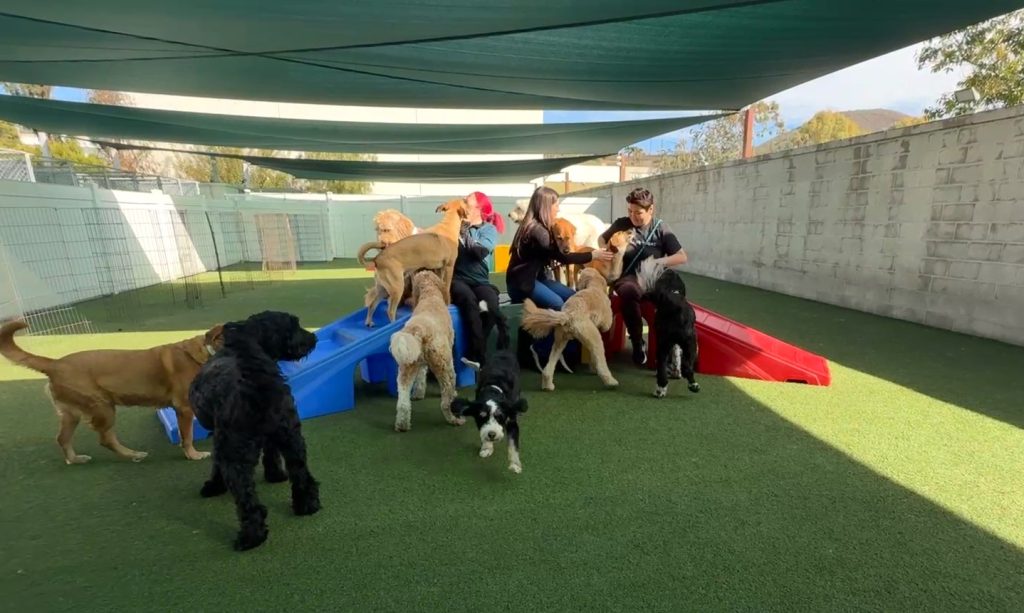 All four Smart Parke locations—Laguna Woods, Corona, Brea, and Westlake Village—maintain 24/7 on-site staff presence, ensuring continuous supervision day and night. Behavior-trained handlers remain physically present during play sessions and daily routines, allowing immediate response to stress, illness, or discomfort.
Structured Routines and Climate-Aware Care
Staff follow consistent daily monitoring protocols, observing eating habits, bathroom routines, and behavior throughout the day. In response to California’s heat, handlers adjust activity levels, move dogs indoors when needed, and ensure regular hydration to maintain safety and comfort.
Transparent Oversight Through Webcam Access
With 24/7 webcam access, owners can observe supervision in real time—confirming staff engagement, active monitoring, and consistent care rather than relying on promises alone. Daily report cards further document observations, creating full transparency across every stay.
Which Pets Benefit Most From Staff-Supervised Boarding
While all pets benefit from continuous monitoring, some gain the most from active staff supervision, including:
- Puppies and kittens, who need close oversight to prevent accidents and support learning
- Senior pets, especially those with medical sensitivities requiring early health detection
- Anxious pets, including those with separation anxiety who need timely comfort and intervention
- Pets with medical needs, requiring accurate medication administration and symptom monitoring
- Pets staying long-term, where extended care increases the importance of consistent supervision
- Multi-pet households, ensuring each animal receives individualized attention
Staff-supervised boarding ensures these pets remain safe, comfortable, and properly cared for throughout their stay—especially during longer or more complex boarding situations.
Red Flags: What Inadequate Supervision Looks Like
Poor supervision is often easy to spot during facility tours. Warning signs include one staff member managing too many dogs, little to no staff presence in play yards, and no individualized assessment of dogs. Facilities where handlers stay in offices instead of actively supervising cannot respond quickly to problems.
Ask direct questions about staff-to-dog ratios, play yard supervision, and staff training. Vague answers, unclear protocols, or a lack of visible staff engagement are red flags. Always tour during operating hours—if you can’t observe active supervision or are restricted from seeing daily operations, the facility may be hiding inadequate practices.
Peace of Mind Through Professional Supervision
Your dog’s safety and comfort during boarding depend on active, professional supervision. Behavior-trained staff, low handler-to-dog ratios, and 24/7 on-site monitoring turn boarding from a risk into a secure, enriching experience.
Understanding how supervision works makes it easier to choose the right facility. Smart Parke’s continuous monitoring across all California locations ensures trained handlers are always present, protecting your dog’s well-being while they relax and enjoy their stay. Contact your nearest Smart Parke location to learn more about their supervision standards and book with confidence.
FAQs
How do I verify that a facility’s staff supervision matches their claims?
Request facility tours during operating hours—not pre-arranged times—to observe actual supervision in action. Ask to observe play yard activities and staff interactions. Speak with current customers about their experiences with handler responsiveness and dog safety. Many quality facilities offer trial days, allowing your dog short stays where you can observe supervision firsthand.
What should I do if I observe inadequate supervision during a facility tour?
Trust your observations. If you don’t see handlers actively engaged with dogs, monitoring play yards closely, or demonstrating knowledge during conversations, these red flags indicate supervision may be inadequate. Ask direct questions: Why aren’t staff in the play yard? Inadequate answers suggest moving to another facility.
Are webcams a substitute for on-site staff supervision?
No. Webcams provide transparency and enable remote observation of supervision quality, but they cannot replace on-site staff who can physically intervene in emergencies. Quality facilities offer both—trained on-site supervision plus webcam access enabling owners to verify active monitoring occurs as promised.
What training should boarding staff possess?
Look for certifications from IACP (International Association of Canine Professionals), CCPDT (Certification Council for Professional Dog Trainers), or equivalent organizations demonstrating formal behavior education. Staff should understand canine body language, recognize stress signals, manage group dynamics, and possess first aid/CPR certification.
How do facilities manage dogs that don’t get along during group play?
Behavior-trained facilities assess individual dogs and customize play groups based on compatibility—not forcing incompatible dogs together. If dogs don’t get along during initial group play, staff separate them and provide alternative enrichment. Some dogs thrive in individual play sessions rather than large group play.
What happens if my dog has a medical emergency during boarding?
Quality facilities maintain staff trained in first aid and emergency response, with immediate veterinary access through emergency clinics. Staff should contact owners immediately upon recognizing potential emergencies and initiate first aid/stabilization measures while awaiting veterinary care. Discuss emergency protocols during booking to understand response procedures before your dog arrives.
How can I be confident my dog is actually being supervised throughout their stay?
Request regular communication from facilities—daily report cards, photo updates, or video clips. Use 24/7 webcam access to observe supervision. Ask about your dog’s specific activities during stay—not vague summaries but actual details about play sessions, enrichment activities, and staff interactions.